How Fake Apps Steal Money Without You Noticing
Published: 29 Dec 2025
Fake mobile apps are one of the fastest-growing digital threats in the United States. Millions of users unknowingly install malicious apps that quietly drain bank accounts, steal credit card details, or trigger hidden subscriptions. Understanding how fake apps steal money is the first step toward protecting yourself.
In this guide, we break down exactly how fake apps steal money without you noticing, the most common tactics used by cybercriminals, and how you can keep your phone and finances safe.
What Are Fake Apps?
Fake apps are malicious applications designed to look like legitimate ones. They often copy the name, logo, and design of popular apps such as banking tools, shopping apps, crypto wallets, or even games.
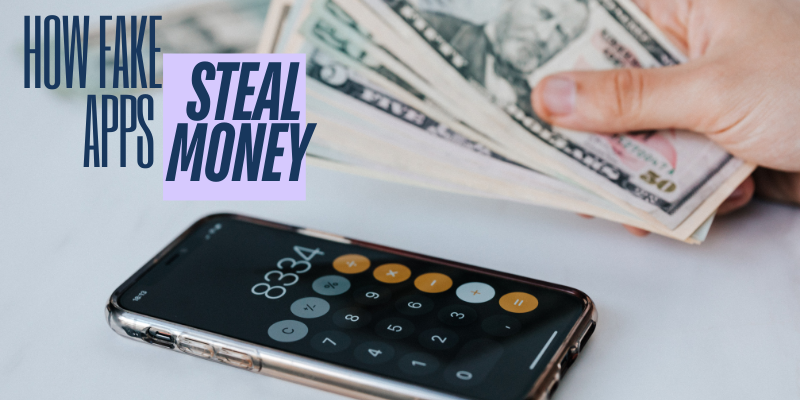
Once installed, these apps operate silently in the background, making them extremely dangerous. Many users realize the problem only after noticing unauthorized charges or drained balances.
How Fake Apps Steal Money Without You Noticing
Cybercriminals use multiple hidden techniques to steal money. Below are the most common methods used today.
1. Hidden Subscription Scams
One of the most common ways how fake apps steal money is through hidden subscriptions.
These apps may:
- Offer a “free trial”
- Hide subscription details in tiny text
- Auto-charge weekly or monthly fees
Many users don’t notice until weeks later when small recurring charges add up to hundreds of dollars.
2. Stealing Credit Card and Payment Details
Fake apps often request payment information under the guise of verification or premium access. Once entered, your card details are sent directly to hackers.
This can lead to:
- Unauthorized online purchases
- International transactions
- Card cloning and resale on dark web markets
3. Fake Login Screens and Phishing
Some fake apps create realistic login screens that mimic real banking, PayPal, or shopping apps.
When you enter your credentials:
- Username and password are captured
- Hackers gain full account access
- Funds can be transferred without your knowledge
This is a major reason how fake apps steal money without you noticing.
4. Malware That Reads OTPs and SMS Messages
Advanced fake apps request access to SMS messages and notifications.
This allows them to:
- Read one-time passwords
- Bypass two-factor authentication
- Approve transactions silently
Victims often assume their bank security failed, when the real issue is a malicious app.
5. Ad Fraud and Click Hijacking
Some fake apps generate fake ad clicks in the background. While this may not directly charge you, it:
- Consumes mobile data
- Slows your phone
- Drains battery life
In some cases, these apps also install additional malware, increasing the risk of financial theft.
6. Fake Investment and Crypto Apps
Fake crypto wallets and investment apps are growing rapidly in the US.
These apps:
- Show fake profits
- Encourage users to deposit more money
- Block withdrawals entirely
Once money is deposited, it’s gone.
Common Signs You’ve Installed a Fake App
Watch for these warning signs:
- Sudden battery drain
- Phone overheating without heavy use
- Unknown charges on your bank statement
- Pop-up ads even when apps are closed
- Apps asking for unnecessary permissions
- Slow phone performance
If you notice these, act immediately.
Why Fake Apps Are Hard to Detect
Fake apps often:
- Appear on official app stores
- Have fake 5-star reviews
- Use professional-looking designs
- Update frequently to avoid detection
This makes how fake apps steal money even more dangerous for everyday users.
How to Protect Yourself from Fake Apps
1. Download Apps Only from Trusted Developers
Always check:
- Developer name
- Official website
- App history and update frequency
Avoid newly published apps with no digital footprint.
2. Read Reviews Carefully
Look for:
- Repeated complaints about charges
- Reviews mentioning scams or fraud
- Overly generic positive reviews
Fake apps often use bot-generated reviews.
3. Check App Permissions
If a calculator app asks for SMS or contact access, that’s a red flag.
Only allow permissions that are absolutely necessary.
4. Monitor Bank and Card Statements Regularly
Early detection can save you thousands of dollars. Report suspicious transactions immediately.
5. Use Mobile Security Software
Reputable mobile security apps can:
- Detect malware
- Block phishing attempts
- Warn about risky apps
6. Secure Your Internet Connection
Public WiFi networks increase your risk. Learning How to Secure Your WiFi Network from Hackers helps prevent fake apps from communicating with malicious servers and stealing sensitive data.
What to Do If a Fake App Steals Your Money
If you suspect fraud:
- Uninstall the app immediately
- Disconnect from the internet
- Contact your bank or card provider
- Change all passwords
- Enable transaction alerts
- Scan your phone for malware
Quick action can limit financial damage.
Why Fake Apps Are Increasing in the US
Fake apps thrive because:
- Mobile payments are common
- Users trust app stores
- Digital banking is widespread
- Cybercrime laws vary globally
As mobile usage grows, understanding how fake apps steal money becomes essential for digital safety.
Final Thoughts
Fake apps don’t steal money overnight—they drain it quietly, slowly, and strategically. By learning how fake apps steal money without you noticing, staying alert to warning signs, and securing your phone and WiFi network, you can protect both your data and your finances.
Fake apps steal money by hiding paid subscriptions, collecting credit card details, reading OTP messages, and using phishing screens that look like real apps. Many operate silently in the background, making fraud hard to detect early.
Yes, fake apps can sometimes appear on official app stores by copying trusted app designs and using fake reviews. This is why checking developer details and permissions is critical before installing any app.
Common signs include unexpected bank charges, sudden battery drain, phone overheating, excessive ads, and apps requesting unnecessary permissions like SMS or contacts access.
Uninstall suspicious apps immediately, scan your phone for malware, change passwords, contact your bank, and monitor transactions. Avoid public WiFi and learn how to secure your WiFi network from hackers.
Both Android and iPhone users can be targeted, but Android users face slightly higher risk due to sideloaded apps and broader permission access. However, no platform is completely immune.
Yes. Fake apps can auto-charge subscriptions, intercept OTPs, or misuse saved payment methods without clear user consent, which is why regular account monitoring is essential.





- Be Respectful
- Stay Relevant
- Stay Positive
- True Feedback
- Encourage Discussion
- Avoid Spamming
- No Fake News
- Don't Copy-Paste
- No Personal Attacks
- Be Respectful
- Stay Relevant
- Stay Positive
- True Feedback
- Encourage Discussion
- Avoid Spamming
- No Fake News
- Don't Copy-Paste
- No Personal Attacks
