AI Tools Doctors Use That Patients Don’t Know About
Published: 14 Dec 2025
Healthcare is rapidly transforming thanks to artificial intelligence. Beyond telemedicine and online symptom checkers, there are powerful AI tools doctors use every day that many patients are unaware of. These tools help physicians diagnose faster, personalize treatment, monitor health trends, and improve outcomes. In this article, we’ll explore the innovative tools reshaping medicine including insights into Wearable Devices That Track Mental Health, predictive analytics systems, and advanced imaging software.
What Are AI Tools Doctors Use?
AI tools doctors use are software systems powered by machine learning, natural language processing, and predictive analytics to help in clinical decision-making. These tools are not designed to replace human judgment. Instead, they amplify a doctor’s ability to quickly interpret data, detect patterns, and recommend customized care.
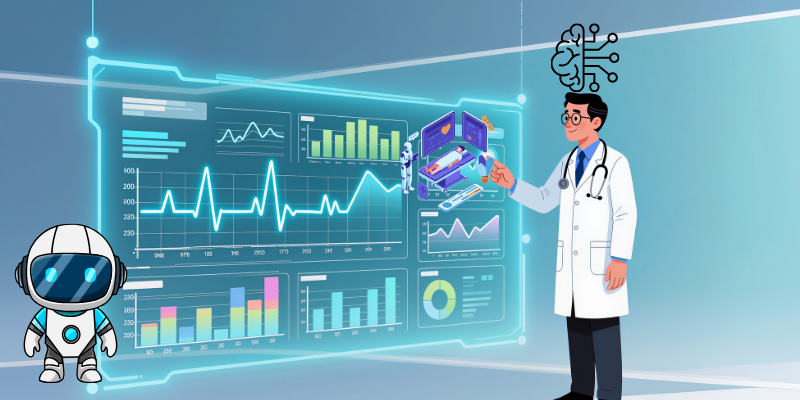
These technologies are part of a broader wave of digital health transformation. Patients often know about online symptom checkers or virtual visits, but many cutting-edge AI systems operate behind the scenes, directly supporting clinicians.
1. AI-Powered Diagnostic Imaging
One of the most impactful categories of AI tools doctors use is diagnostic imaging software. These systems analyze X-rays, MRIs, and CT scans using deep learning algorithms that have been trained on millions of images.
Why it matters:
- Detects abnormalities earlier than traditional methods
- Highlights potential issues like tumors, fractures, or vascular changes
- Reduces human error
- Helps radiologists prioritize urgent cases
For many patients, the image review seems straightforward. Behind the scenes, AI is crunching data and flagging suspicious patterns that the human eye might miss.
2. Predictive Analytics for Preventive Care
Another group of AI systems focuses on predictive analytics. These tools use historical health data including labs, vitals, medications, and genetics to forecast disease risk and optimize preventive strategies.
For example, an AI model might predict which patients are at high risk of developing diabetes complications or cardiovascular events. Clinicians can then intervene early.
Benefits of predictive tools:
- Personalized risk assessments
- Early intervention planning
- Better management of chronic conditions
- Fewer hospital admissions
This is a powerful but often unseen category of AI tools doctors use that directly improves long-term patient health.
3. Natural Language Processing (NLP) for Clinical Notes
Electronic Health Records (EHRs) are essential but often tedious to navigate. Doctors are now using AI-based NLP tools to streamline documentation.
These systems convert voice or text into structured medical records, extract key medical terms, and summarize patient history automatically. This reduces time spent on paperwork and increases time available for patient interaction.
4. Virtual Clinical Assistants
Virtual assistants built on AI help clinicians with routine tasks. These tools can:
- Retrieve patient history
- Suggest treatment options based on guidelines
- Provide drug interaction warnings
- Summarize medical literature
Doctors often use these tools during consultations or when planning care, but patients rarely see them in action.
5. Wearable Data Integration
Many clinicians now review data from Wearable Devices That Track Mental Health, glucose levels, heart rate variability, sleep patterns, and step counts. These wearables generate real-world health data outside the clinic, and AI platforms help interpret it.
Examples include:
- Smartwatches that detect irregular heart rhythms
- Mental health trackers that analyze stress and mood trends
- Continuous glucose monitors with trend predictions
This integration allows doctors to spot patterns and intervene early, especially in conditions such as anxiety, depression, heart disease, and diabetes.
6. Genomic AI Tools
Genomic medicine is gaining traction as AI becomes more powerful. Some AI tools analyze a patient’s DNA to predict disease risk or potential treatment responses. This technology helps tailor precision medicine strategies highly personalized treatment plans based on genetic profiles.
This is a complex and emerging category that many patients don’t realize their doctors are already using in specialized settings.
7. Remote Monitoring and Telehealth Platforms
While patients know about telehealth visits, what they may not know are the AI systems working behind the scenes. These tools analyze remote patient data, detect anomalies, and alert providers when intervention is necessary. This is especially important for seniors, chronic disease management, and post-surgery follow-up.
Why Most Patients Don’t Know These Tools Exist
Many AI tools doctors use operate in the background. They are integrated with hospital systems, diagnostic machines, or EHR software that patients never interact with directly. While patients may know about certain health apps or online consultations, these advanced clinical tools remain hidden.
Furthermore, doctors are cautious about discussing specific technologies during appointments because the focus remains on communication, empathy, and care, not software tools.
How AI Improves Patient Care
The ultimate goal of these technologies is to improve outcomes, not replace clinicians. Here’s how AI enhances care:
✔ Faster diagnosis
AI speeds up imaging interpretation and case prioritization.
✔ Personalized treatment planning
Predictive models and genomic data allow more tailored therapies.
✔ Better chronic disease management
Wearable data and analytics help monitor health over time.
✔ Reduced clinician workload
Natural language processing and virtual assistants save doctor time.
The Future of AI in Healthcare
As AI evolves, the tools doctors use will become even more predictive, efficient, and patient-centric. Future innovations may include more robust AI companions for clinicians, real-time surgical guidance, and advanced mental health monitoring using wearables and sensor data.
With continued advancements, every clinic and hospital may soon operate as a high-performance data environment where AI supports evidence-based care at every step.
Doctors use diagnostic imaging AI, predictive analytics, natural language processing for EHRs, virtual clinical assistants, and wearable data integration tools.
Yes, many specialists use AI-powered imaging and analytics to improve diagnosis speed and accuracy, especially for complex conditions.
No. AI tools doctors use are designed to support decision-making and improve efficiency, not replace human judgment and empathy.
Some clinics share AI-generated reports upon request, but most tools operate behind the scenes integrated into clinical workflows.
Wearable Devices That Track Mental Health and physical metrics help doctors monitor patients outside the clinic, enabling proactive care and early intervention.
Yes, studies show that AI-supported care often leads to faster diagnosis, fewer medical errors, and better chronic disease management.






- Be Respectful
- Stay Relevant
- Stay Positive
- True Feedback
- Encourage Discussion
- Avoid Spamming
- No Fake News
- Don't Copy-Paste
- No Personal Attacks
- Be Respectful
- Stay Relevant
- Stay Positive
- True Feedback
- Encourage Discussion
- Avoid Spamming
- No Fake News
- Don't Copy-Paste
- No Personal Attacks
