The Benefits of Digital Twin Technology for Retail and Manufacturing
Published: 13 Feb 2026
Introduction:
In today’s fast-paced technological landscape, industries are constantly looking for innovative solutions that can improve efficiency, reduce costs, and enhance overall performance. One such breakthrough is Digital Twin Technology, which has become a game-changer in both retail and manufacturing sectors. Digital twins are virtual replicas of physical assets, processes, or systems that allow businesses to simulate, analyze, and optimize their operations in real-time.
In this article, we’ll explore the benefits of Digital Twin technology, focusing on how it’s transforming retail and manufacturing industries. We’ll also discuss how these innovations can help businesses stay ahead in a highly competitive market while enhancing customer experience, streamlining operations, and making data-driven decisions. You should also learn Beginner-Friendly Tech Skills for success
What is Digital Twin Technology?
Before diving into its specific benefits, let’s first understand what Digital Twin Technology is all about.
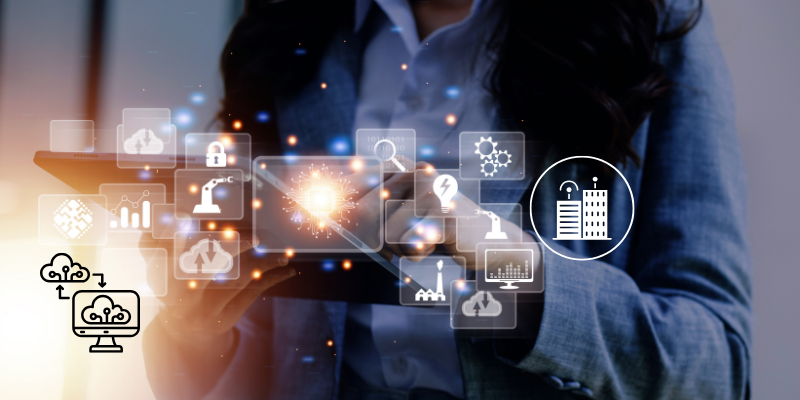
A Digital Twin is a digital replica of a physical object, system, or process. These virtual models are updated in real-time with data from sensors and other data sources, creating an accurate reflection of the real-world counterpart. Digital Twins allow businesses to visualize, monitor, and analyze the performance and behavior of physical assets, even before they are deployed in the real world.
The Benefits of Digital Twin Technology for Retail
Digital Twin Technology is revolutionizing the retail industry by enabling retailers to improve operational efficiency, enhance customer experiences, and reduce costs. Here’s how:
1. Optimizing Inventory Management
One of the most significant benefits of Digital Twin Technology for retail is its ability to optimize inventory management. With real-time data tracking, retailers can gain deep insights into inventory levels, stock movement, and demand forecasts. This leads to:
- Reduced stockouts and overstocking: By closely monitoring inventory levels, retailers can ensure they maintain optimal stock levels, preventing the loss of sales due to stockouts or excess inventory.
- Improved supply chain efficiency: A digital twin of the entire supply chain allows retailers to identify bottlenecks and inefficiencies, ensuring a smoother flow of goods from suppliers to stores.
2. Enhanced Customer Experience
Digital Twin Technology can also help retailers understand and predict customer behavior, which can lead to a more personalized shopping experience. Retailers can:
- Track customer preferences: By integrating data from in-store activities and online interactions, businesses can create a digital profile of individual customers, allowing for tailored marketing strategies and product recommendations.
- Improve store layouts and design: Virtual simulations can help retailers experiment with store layouts and product placements, ensuring a better shopping experience that encourages longer visits and increased sales.
3. Real-Time Performance Monitoring
A Digital Twin allows retailers to monitor the real-time performance of their stores, warehouses, and other physical locations. This includes:
- Energy usage tracking: Retailers can optimize energy consumption, reducing operational costs and contributing to sustainability efforts.
- Predictive maintenance: By monitoring equipment and infrastructure in real time, retailers can anticipate potential issues before they disrupt operations, saving time and money on repairs.
4. Supply Chain Transparency and Efficiency
With Digital Twin Technology, retailers can achieve greater visibility into their supply chains, ensuring greater efficiency. Retailers can:
- Track shipments: Real-time monitoring of shipments and deliveries ensures transparency, reducing delays and improving customer satisfaction.
- Predict delays and disruptions: Digital twins can simulate various scenarios, allowing businesses to prepare for disruptions and implement contingency plans.
The Benefits of Digital Twin Technology for Manufacturing
Manufacturers are also benefiting from Digital Twin Technology, as it enhances production processes, reduces downtime, and improves overall product quality. Let’s explore some of the key benefits for manufacturing:
1. Improved Product Design and Development
Digital twins allow manufacturers to create virtual prototypes of their products, enabling:
- Faster product iterations: With a digital model, manufacturers can test and tweak designs without the need for physical prototypes, speeding up the development cycle.
- Higher-quality products: By simulating different real-world conditions, manufacturers can refine their designs to ensure products are more durable and efficient.
2. Predictive Maintenance and Downtime Reduction
One of the primary benefits of Digital Twin Technology in manufacturing is predictive maintenance. By creating digital twins of machinery and equipment, manufacturers can:
- Detect potential failures early: Using real-time data, businesses can identify issues before they lead to costly breakdowns, reducing downtime and maintenance costs.
- Extend asset lifespan: Predictive maintenance helps manufacturers extend the lifespan of their assets by ensuring that they are well-maintained and operating efficiently.
3. Optimizing Manufacturing Processes
Digital Twins allow manufacturers to simulate production processes, identifying inefficiencies and bottlenecks. By doing so, they can:
- Streamline workflows: Manufacturers can visualize the entire production line, making adjustments to reduce waste and optimize efficiency.
- Improve resource allocation: By tracking resource usage, manufacturers can ensure that materials, labor, and machines are used most effectively, leading to cost savings.
4. Supply Chain Management and Logistics
In manufacturing, Digital Twin Technology can also optimize logistics and supply chain management. Benefits include:
- Real-time inventory tracking: Manufacturers can keep track of raw materials and finished goods in real time, ensuring production stays on schedule.
- Optimized shipping routes: By simulating shipping routes and delivery times, manufacturers can reduce delays and lower transportation costs.
5. Enhanced Quality Control
Digital twins enable manufacturers to monitor the quality of their products throughout the production process. This leads to:
- Instant detection of defects: Digital twins allow manufacturers to spot defects and quality issues in real time, ensuring higher-quality products.
- Improved testing environments: Virtual simulations can create ideal conditions for testing products, ensuring they meet quality standards before they are shipped to customers.
Why the Benefits of Digital Twin Technology Are Essential for Future Growth
As businesses in retail and manufacturing continue to face increasing pressure to improve efficiency and reduce costs, Digital Twin Technology provides a valuable solution. By leveraging digital replicas, companies can simulate processes, test different scenarios, and optimize their operations in real-time.
For retailers, digital twins offer the ability to improve customer experiences, optimize inventory, and streamline supply chains. For manufacturers, they help reduce downtime, enhance product quality, and improve operational efficiency. Ultimately, Digital Twin Technology is helping businesses become more agile, data-driven, and ready to meet the challenges of the future.
Conclusion
The Benefits of Digital Twin Technology are becoming increasingly clear as industries like retail and manufacturing continue to embrace this cutting-edge innovation. From improving inventory management and customer experience in retail to optimizing production and maintenance processes in manufacturing, digital twins are proving to be a valuable tool for businesses looking to stay competitive in today’s rapidly evolving market.
By adopting Digital Twin Technology, companies can not only streamline their operations but also create new opportunities for growth and innovation. As this technology continues to evolve, we can expect even more transformative changes in the way businesses operate.
A Digital Twin is a virtual representation of a physical object or system. It uses real-time data from sensors to replicate and monitor the performance of the physical counterpart, helping businesses make data-driven decisions.
In retail, digital twins help optimize inventory, improve customer experience, track real-time performance, and enhance supply chain efficiency by providing valuable insights into store operations and consumer behavior.
Industries such as retail, manufacturing, healthcare, energy, and automotive are significantly benefiting from Digital Twin Technology, with applications ranging from predictive maintenance to product design and supply chain optimization.
In manufacturing, digital twins help reduce downtime by enabling predictive maintenance, improve product quality through real-time monitoring, optimize production processes, and streamline logistics and supply chain management.
The initial cost of implementing Digital Twin Technology can be high, as it requires investment in sensors, data collection tools, and software. However, the long-term benefits, such as reduced downtime and increased efficiency, can result in significant cost savings.
Digital Twin Technology supports predictive maintenance by continuously monitoring the performance of equipment in real-time. It can detect potential issues before they cause failures, allowing businesses to perform maintenance when needed rather than after an issue occurs.
For beginners interested in Digital Twin Technology, learning basic programming (Python, for instance), data analysis, and simulation software will provide a strong foundation. Understanding IoT (Internet of Things) sensors and cloud computing can also be beneficial for working with digital twins.






- Be Respectful
- Stay Relevant
- Stay Positive
- True Feedback
- Encourage Discussion
- Avoid Spamming
- No Fake News
- Don't Copy-Paste
- No Personal Attacks
- Be Respectful
- Stay Relevant
- Stay Positive
- True Feedback
- Encourage Discussion
- Avoid Spamming
- No Fake News
- Don't Copy-Paste
- No Personal Attacks
