Biodegradable Smart Devices: The 6 New Era of Clean Tech
Published: 25 Nov 2025
The world is entering a revolutionary phase where technology is no longer only about performance but also about sustainability.
Table of Contents
One of the most promising innovations shaping the future is Biodegradable Smart Devices. These eco-friendly solutions are changing how we design sensors, wearable gadgets, farming tools, and even home technology. With growing concerns about e-waste and environmental impact, biodegradable electronics are becoming the backbone of the next generation of clean tech.
What Are Biodegradable Smart Devices?
Biodegradable Smart Devices are electronic tools created using materials that naturally break down over time without harming the environment. Unlike traditional gadgets that contribute to landfills and toxic waste, these devices decompose into safe organic components. They can include flexible sensors, wearable health monitors, environmental trackers, and agricultural devices made from proteins, biodegradable polymers, or plant-based materials.
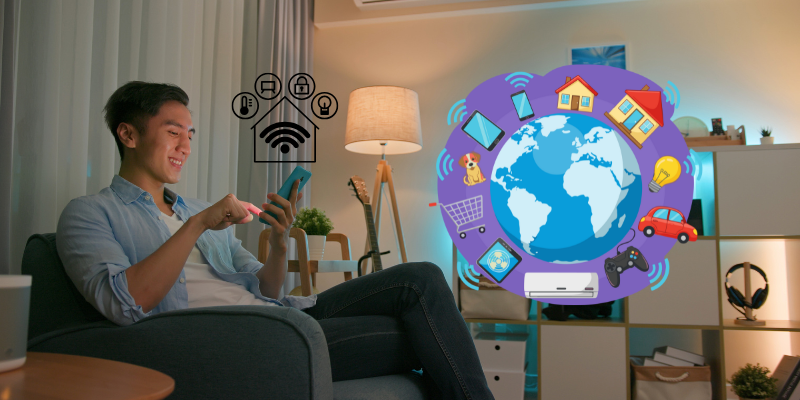
These innovations eliminate long-term waste and support a fully sustainable tech ecosystem.
Why the World Needs Biodegradable Smart Devices
Traditional electronics contain heavy metals, plastics, and non-degradable components that remain in landfills for decades. As the demand for sensors and smart devices grows, so does the amount of e-waste.
Here is where Biodegradable Smart Devices make a significant impact:
- They break down naturally after use.
- They reduce the environmental footprint of smart technology.
- They are safer for animals, soil, and water.
- They support a circular economy where technology leaves no trace behind.
As sustainability becomes a global priority, these devices are no longer a futuristic concept but a realistic, powerful solution.
How Biodegradable Smart Devices Are Used Today
1. Wildlife and Environmental Monitoring
Researchers now deploy biodegradable sensors to track animals, study ecosystems, and monitor forest conditions. These devices are ideal for sensitive environments because they naturally dissolve after their job is done.
2. Smart Farming and Agriculture
Farmers use biodegradable soil sensors to monitor moisture, temperature, pH levels, and crop health. After harvesting season, the sensors decompose, eliminating the need for manual collection and preventing plastic waste.
3. Medical and Wearable Health Devices
Biodegradable medical implants and patches allow temporary monitoring inside the human body. Once their purpose is fulfilled, they dissolve safely without requiring surgical removal.
4. Eco-Friendly Packaging and Smart Labels
Companies are embedding biodegradable circuits into product packaging for tracking, temperature monitoring, and authenticity verification. This makes logistics smarter without creating electronic waste.
Why Biodegradable Smart Devices Are the Future of Clean Tech
Their rapid adoption is driven by a combination of technological advancement and environmental responsibility. These devices:
- Lower e-waste significantly
- Cost less to dispose of
- Reduce long-term pollution
- Support green policies adopted by governments and industries
- Enable smarter solutions without harming the planet
As more industries shift toward eco-friendly practices, Biodegradable Smart Devices will play a leading role in shaping sustainable innovation.
Integration with Low-Budget Smart Home Setups in South Asia
South Asia is one of the fastest-growing markets for smart technology, but affordability plays a major role in adoption. Biodegradable components can make future smart home sensors cheaper, safer, and easier to use.
For example:
- Simple biodegradable temperature or humidity sensors
- Low-cost air quality monitors
- Compostable security or motion detection tags
- Environment-friendly garden monitoring devices
These solutions fit perfectly into Low-Budget Smart Home Setups in South Asia, offering affordable and eco-friendly ways to adopt modern technology without generating heavy e-waste.
Challenges to Overcome
While the future looks promising, there are a few hurdles:
- Ensuring biodegradable materials stay functional long enough
- Making devices stable in harsh environments
- Creating affordable mass-production techniques
- Developing electronics that balance biodegradability with performance
As research and innovation continue, these challenges are becoming easier to solve.
The Future of Biodegradable Smart Devices
In the coming years, we may see:
- Fully biodegradable smartphones and wearables
- Temporary eco-friendly devices for festivals and events
- Large-scale farming solutions that vanish after use
- Smart packaging that helps track deliveries and then melts away
- Medical sensors that heal and then dissolve inside the body
The combination of green innovation and smart technology is creating a world where tech supports the earth rather than harming it.
Final Thoughts
Biodegradable Smart Devices represent more than an upgrade in electronics; they symbolize a shift toward a cleaner, safer, and more sustainable world. As industries, farmers, hospitals, and everyday consumers embrace eco-friendly solutions, these smart devices are set to lead the next wave of technological evolution. With their potential to integrate into even Low Budget Smart Home Setups in South Asia, they bring sustainability within reach for everyone
Biodegradable Smart Devices are eco-friendly electronic tools made from materials that naturally break down without harming the environment. They can include sensors, medical devices, trackers, and smart labels designed to reduce e-waste.
These devices decompose after use, preventing harmful plastics and metals from accumulating in landfills. They provide the benefits of smart technology while supporting a cleaner, zero-waste ecosystem.
They are widely used in wildlife monitoring, smart farming, medical implants, environmental sensors, packaging, and smart home setups. Their ability to dissolve after use makes them perfect for sensitive environments.
Yes. They are designed to function effectively for their intended lifespan. Once that period is over, environmental triggers like moisture, bacteria, or enzymes break them down naturally.
Absolutely. They can be integrated into affordable systems, especially in regions like South Asia where Low-Budget Smart Home Setups are in demand. They offer eco-friendly air quality monitors, temperature sensors, garden devices, and more.
Traditional electronics stay in the environment for decades after disposal. Biodegradable alternatives perform similar monitoring and tracking functions but disappear naturally, eliminating long-term pollution.
Yes. Many biodegradable sensors and implants are designed to dissolve harmlessly inside the human body, reducing the need for additional surgeries and improving recovery.
Current challenges include improving performance stability, lowering production costs, and ensuring long-term accuracy in extreme conditions. Research is rapidly overcoming these barriers.
The future includes biodegradable wearables, smart packaging, agricultural sensors, medical implants, and potentially entire smart home ecosystems that leave zero waste behind.
They solve the growing global problem of electronic waste while enabling advanced technology. Their ability to perform essential tasks and then naturally disappear makes them a cornerstone of sustainable innovation.




- Be Respectful
- Stay Relevant
- Stay Positive
- True Feedback
- Encourage Discussion
- Avoid Spamming
- No Fake News
- Don't Copy-Paste
- No Personal Attacks
- Be Respectful
- Stay Relevant
- Stay Positive
- True Feedback
- Encourage Discussion
- Avoid Spamming
- No Fake News
- Don't Copy-Paste
- No Personal Attacks
