Human Augmentation Chips: Are We Merging with Machines?
Published: 26 Nov 2025
The idea of humans merging with machines is no longer science fiction, it’s happening right now. With rapid advances in biotechnology, cybernetics, and AI-powered implants, Human Augmentation Chips are becoming one of the most disruptive innovations of our time.
These chips are transforming how we work, heal, communicate, and interact with technology. The biggest question now is: Are we ready for this new era of enhanced humans?
What Exactly Are Human Augmentation Chips?
Human Augmentation Chips are tiny implantable devices designed to enhance natural human capabilities. Some chips strengthen physical abilities, others improve cognitive performance, and many are used for medical purposes such as monitoring vital signs or controlling prosthetic limbs.
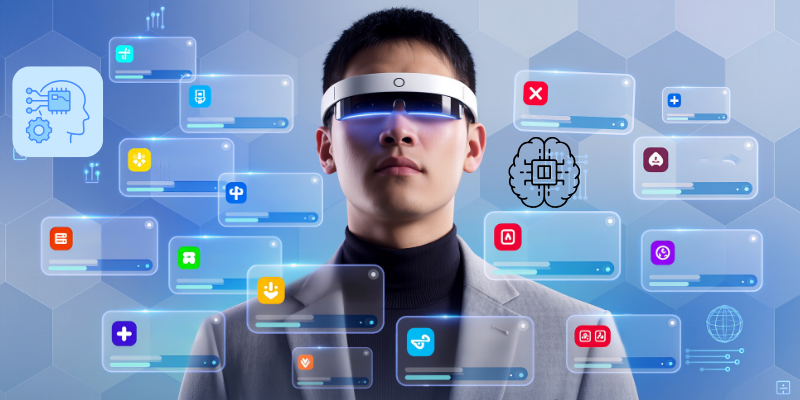
These chips operate through advanced sensors, AI algorithms, and neural interfaces that connect directly with the human body and eventually, they may even connect with the human brain.
Whether it’s unlocking doors with your hand, tracking your health from inside your body, or restoring lost abilities, augmentation chips are pushing us toward a future where human limitations are optional.
Types of Human Augmentation Chips Transforming the World
1. Medical Enhancement Chips
These chips help patients monitor glucose levels, predict cardiac issues, regulate hormones, or manage chronic illness. Doctors can receive real-time medical data, allowing early detection of dangerous symptoms.
2. Brain Computer Interface (BCI) Chips
These chips connect the brain to machines. They allow people with mobility challenges to control wheelchairs, robotic limbs, and even computers using only their thoughts.
3. Performance Enhancement Chips
Some chips enhance memory, sharpen focus, improve reaction time, or boost physical performance. Athletes and military organizations are already experimenting with early versions of these technologies.
4. Identity and Access Chips
Commonly used for security systems, employees can open doors, log in to computers, and authorize payments simply by scanning their implanted chip.
5. Sensory Enhancement Chips
These chips enhance hearing, vision, or touch. Combined with innovations like Smart Contact Lenses, the future of augmented perception is closer than ever.
How Human Augmentation Chips Are Changing Daily Life
Faster, Smarter Medical Care
Imagine your doctor getting alerts before you have a heart attack. Augmentation chips allow early diagnosis and constant health monitoring, reducing emergencies and saving lives.
Hands-Free, Seamless Workflows
Employees can authenticate identity, access restricted areas, and even interact with digital systems without passwords or physical devices.
New Communication Possibilities
With neural chips, disabled individuals can communicate or control devices using only their thoughts, a breakthrough for accessibility.
Enhanced Physical Abilities
From lifting heavy objects to improving balance or coordinating movements, augmentation chips support both medical patients and high-performance professionals.
Are We Really Merging with Machines?
The line between humans and technology is becoming blurred. As augmentation chips move from medical use to everyday enhancement, society is witnessing:
- Human–AI collaboration inside the body
- Artificial senses and abilities that didn’t exist before
- Bio-integrated chips becoming as common as smartphones
This is the beginning of human-machine convergence, a phase where chips improve longevity, intelligence, and physical capability.
But the shift brings critical questions:
- Who owns the data from these chips?
- Should enhancement be allowed in sports or military settings?
- Will augmented humans have unfair advantages?
- How far is too far?
As technology evolves, ethical and privacy debates grow stronger.
Benefits of Human Augmentation Chips
- Early detection of medical issues
- Increased physical capability
- Faster and smarter workflows
- Greater accessibility for disabled individuals
- Real-time health feedback
- Enhanced decision-making with AI integration
- Potential to extend human lifespan
Challenges and Risks
- Data privacy concerns
- Cybersecurity threats
- Ethical issues in enhancement
- Unequal access to augmentation
- Physical complications from implantation
- Overdependence on technology
Despite these challenges, advancements continue and adoption is growing.
The Future of Human Augmentation Chips
Experts predict that within the next decade:
- Brain-integrated chips will help treat neurological diseases
- Cognitive enhancement chips will be commercialized
- Smart implants will replace external wearables
- Human senses will become fully upgradeable
- People may access AI knowledge directly from implants
The merging of biology and technology is accelerating. Human Augmentation Chips may ultimately redefine what it means to be human.
They are used for medical monitoring, brain computer interfaces, identity authentication, physical enhancement, and improving sensory abilities.
Most medically approved chips are safe, but they still pose risks such as infection, hacking, or data privacy concerns. Regulations are improving as technology evolves.
Yes. Cognitive augmentation chips are being developed to enhance memory, focus, and learning speed, especially for medical and neurological applications.
Many experts believe implanted chips will eventually replace external devices like glucose monitors, pacemakers, or wearable trackers.
Yes, medical augmentation chips are legal and regulated. Enhancement chips are legal in most regions but still face ethical and regulatory challenges.
They use sensors, microprocessors, and sometimes neural interfaces to read biological signals and transmit data to external devices or cloud systems.
The future includes AI-powered implants, brain-integrated chips, enhanced senses, upgraded physical abilities, and advanced Smart Contact Lenses supporting augmented vision.





- Be Respectful
- Stay Relevant
- Stay Positive
- True Feedback
- Encourage Discussion
- Avoid Spamming
- No Fake News
- Don't Copy-Paste
- No Personal Attacks
- Be Respectful
- Stay Relevant
- Stay Positive
- True Feedback
- Encourage Discussion
- Avoid Spamming
- No Fake News
- Don't Copy-Paste
- No Personal Attacks
