IoT in Healthcare: The Next Big Breakthrough
Published: 13 Nov 2025
Introduction
Imagine a world where your vital signs, medication adherence, and recovery progress are all monitored in real time not in a hospital bed, but from your home. That world is rapidly becoming reality through IoT in Healthcare. These connected devices and smart systems are transforming patient care, reducing costs, and enabling preventive health interventions rather than reactive ones. The next big breakthrough in healthcare is here, and it’s powered by IoT.
What Is IoT in Healthcare?
Simply put, IoT in Healthcare refers to medical sensors, wearable devices, smart hospital equipment, and connected infrastructure that gather and exchange data to improve health outcomes.
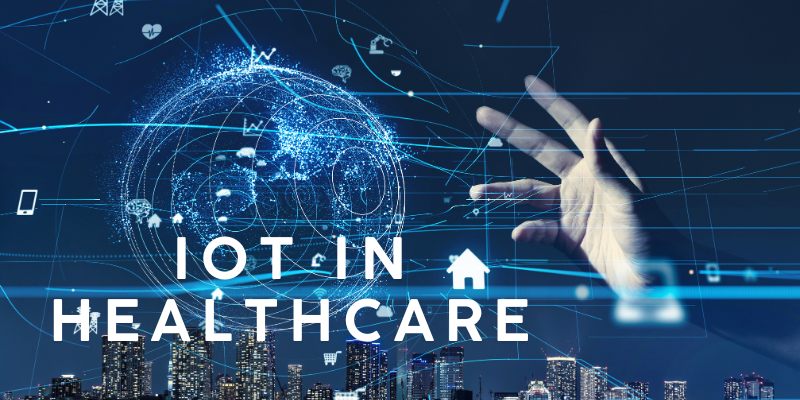
Through networking, analytics, and device integration, healthcare providers can deliver far more personalized, timely, and efficient care. IoT systems collect, share, monitor, store, and analyze data generated by connected medical devices to support better decision-making and patient management.
Why It Matters Now
IoT in Healthcare is gaining massive traction for several reasons:
- The global market for connected healthcare solutions is expanding rapidly.
- With aging populations and rising chronic diseases, healthcare systems are under immense pressure, and IoT provides a proactive solution.
- Advances in connectivity, sensors, cloud computing, and edge technology have made real-time data processing possible.
Key Use Cases of IoT in Healthcare
Remote Patient Monitoring
Wearables and home sensors continuously track vital signs such as heart rate, glucose levels, and blood pressure, sending alerts to doctors if any irregularities occur. This allows for real-time care even outside hospital walls, improving recovery and preventing emergencies.
Smart Hospital Operations
Hospitals use IoT sensors to track medical equipment, monitor hygiene compliance, and manage resources more efficiently. This helps reduce operational costs and ensures smooth, reliable service delivery.
Chronic Disease Management
For patients with long-term conditions like diabetes or heart disease, IoT devices provide constant health insights, enabling early intervention and preventing serious complications.
Personalized Treatment and Predictive Analytics
By continuously collecting and analyzing patient data, IoT in Healthcare supports AI-driven analytics that can predict risks and suggest preventive measures, making treatment more accurate and individualized.
The Intersection with Emerging Technologies in Green Tech
Interestingly, the deployment of IoT in Healthcare also aligns with Emerging Technologies in Green Tech. For example, IoT systems can monitor hospital energy usage, optimize lighting and temperature control, and minimize waste. This integration not only improves healthcare efficiency but also supports sustainability and eco-friendly operations.
Benefits of IoT in Healthcare
- Improved Patient Outcomes: Early alerts enable quicker responses and better recovery.
- Cost Reduction: Fewer hospital visits and better resource utilization reduce expenses.
- Enhanced Access: Remote monitoring extends healthcare services to rural or underserved areas.
- Efficiency Gains: Smart systems streamline hospital workflows.
- Data-Driven Decisions: Healthcare becomes tailored to each individual based on real-time insights.
Key Challenges to Overcome
While IoT in Healthcare offers immense potential, several challenges need addressing:
- Data Privacy and Security: Protecting sensitive patient information is crucial.
- Interoperability: Devices from different manufacturers must integrate seamlessly.
- Infrastructure and Connectivity: Reliable internet and power systems are essential for smooth functioning.
- User Adoption: Patients and healthcare professionals must be educated and comfortable with the technology.
- Regulatory Compliance: Strict healthcare regulations must be met to ensure safety and privacy.
The Future of IoT in Healthcare
The next evolution of IoT in Healthcare is already underway.
- Edge computing will process data faster and reduce dependency on centralized systems.
- AI integration will make diagnostics and predictive care even more advanced.
- Miniaturized wearables and implantable devices will become mainstream.
- Eco-friendly IoT systems will merge technology and sustainability.
- Remote healthcare will continue to expand globally, improving accessibility.
How Stakeholders Can Prepare
If you’re a healthcare provider, tech innovator, or policy maker, here’s how to prepare for the IoT revolution:
- Identify Opportunities: Understand where IoT can enhance your operations.
- Start with Small Projects: Test IoT solutions before scaling.
- Focus on Security: Prioritize data privacy and compliance from the start.
- Educate Users: Train patients and staff for smooth adoption.
- Measure Impact: Use analytics to track efficiency and outcomes.
Final Thoughts
The era of IoT in Healthcare is already reshaping medicine. With connected devices enabling personalized care, smart hospitals optimizing operations, and predictive analytics transforming diagnostics, the future of healthcare looks smarter and more accessible than ever. When combined with sustainability through Emerging Technologies in Green Tech, IoT becomes not only a medical breakthrough but also a step toward a healthier planet.
IoT in Healthcare refers to a network of connected medical devices and sensors that collect, analyze, and share patient data in real time. These systems help doctors monitor patients remotely, automate hospital processes, and improve the overall quality of care.
IoT is transforming healthcare by enabling remote patient monitoring, smart hospital management, and personalized treatments. It improves accuracy, reduces human error, and cuts down healthcare costs through automation and real-time data analysis.
The main benefits include better patient outcomes, reduced hospital readmissions, real-time health tracking, and more efficient use of resources. It also enhances patient engagement by giving individuals access to their health data anytime, anywhere.
IoT improves patient care by allowing continuous monitoring and early detection of health issues. Smart devices send alerts to doctors before conditions worsen, ensuring faster response times and better recovery rates.
Examples include wearable heart monitors, glucose sensors, smart inhalers, connected insulin pumps, and hospital asset tracking systems. These IoT devices improve patient safety, efficiency, and treatment accuracy.
Security remains a major challenge. To protect patient data, healthcare providers must use strong encryption, authentication, and secure cloud networks. As IoT adoption grows, cybersecurity measures are becoming more advanced and essential.
The biggest challenges include data privacy, interoperability between different devices, high setup costs, and user training. However, advancements in AI, 5G, and data regulation are helping overcome these issues.
By automating routine tasks, reducing hospital stays, and improving preventive care, IoT helps healthcare organizations cut costs while maintaining quality. Real-time analytics also prevent expensive medical emergencies.




- Be Respectful
- Stay Relevant
- Stay Positive
- True Feedback
- Encourage Discussion
- Avoid Spamming
- No Fake News
- Don't Copy-Paste
- No Personal Attacks
- Be Respectful
- Stay Relevant
- Stay Positive
- True Feedback
- Encourage Discussion
- Avoid Spamming
- No Fake News
- Don't Copy-Paste
- No Personal Attacks
