Tech for Mental Wellness: AI Therapists Explained
Published: 29 Nov 2025
Technology is reshaping every part of our lives, and mental health is no exception. From mood-tracking apps to advanced conversational bots, Tech for Mental Wellness is unlocking new ways to understand, process, and manage emotional health. One of the biggest breakthroughs today is the rise of AI therapists, intelligent systems designed to support people with stress, anxiety, depression, burnout, and everyday emotional struggles.
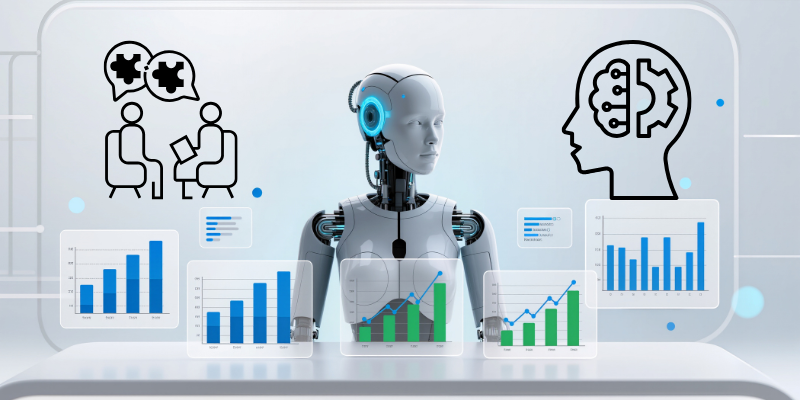
But how do these AI therapists actually work? Are they safe? Do they really help? And how do they fit into the future of mental health care?
Let’s explore the next evolution of digital emotional support.
What Are AI Therapists?
AI therapists are advanced digital tools built to simulate supportive, empathetic, and meaningful conversations. They use natural language processing, emotional-tone analysis, and behavioral data to:
- Guide users through stress and anxiety
- Offer CBT-style (Cognitive Behavioral Therapy) techniques
- Track emotional patterns
- Provide grounding, breathing, and mindfulness exercises
- Deliver 24/7 emotional support without judgment
Unlike traditional mental health platforms that simply offer reminders or tips, modern AI therapists adapt to the user’s tone, mood shifts, and emotional history.
Why Tech for Mental Wellness Is the Next Big Movement
The demand for mental health care is rising globally but, access to therapists, affordability, and stigma often prevent people from seeking help. This is exactly where Tech for Mental Wellness steps in.
1. Instant Accessibility
AI support is available anytime, anywhere, no appointments needed.
2. Privacy & Comfort
People often find it easier to open up anonymously.
3. Early Detection of Emotional Shifts
AI can analyze patterns in user messages and detect rising stress levels before they escalate.
4. Personalized Coping Tools
Modern systems tailor breathing exercises, grounding scripts, and journaling prompts based on your mood.
How AI Therapists Work Behind the Scenes
AI therapists are powered by several technologies:
Natural Language Understanding (NLU)
Allows AI to interpret emotions, intentions, and context behind user messages.
Sentiment Analysis
Detects stress, panic, sadness, frustration, or overwhelm.
Behavioral Pattern Recognition
Learns the user’s triggers and coping styles over time.
Real-Time Adaptation
Offers advice aligned with the user’s emotional state in the moment.
This makes AI therapy feel more responsive and personalized than traditional mental health apps.
Where AI Therapists Are Most Helpful
AI therapists are not designed to replace professional therapy in serious cases, but they offer excellent support for:
- Work stress and burnout
- Daily anxiety management
- Mood tracking and emotional journaling
- Sleep struggles
- Relationship worries
- Motivation and productivity
- Building positive habits
For many users, AI provides a safe starting point, especially when they’re not ready for or don’t have access to human therapy.
Are AI Therapists Safe and Secure?
Privacy is a major concern. Reputable platforms use:
- End-to-end encryption
- Strict no-data-selling policies
- Local device processing (on some apps)
- Anonymous usage options
Some emerging ai tools that work without internet also allow completely offline emotional journaling and mood-analysis features, offering added privacy for users who want their data stored only on their device.
Future of Tech for Mental Wellness
The future of digital mental health is promising. Here’s what’s coming next:
1. Emotionally Aware Wearables
Smartwatches and rings that detect stress spikes through heart rate and skin temperature.
2. VR Therapy Spaces
Immersive environments that calm anxiety and simulate therapeutic scenarios.
3. Predictive Mood Analytics
AI models that can warn users of burnout before symptoms appear.
4. Companion AI Agents
Personalized emotional-support companions that learn your personality over time.
These advancements show that Tech for Mental Wellness is becoming more proactive, more personalized, and more accessible than ever before.
Should AI Therapists Replace Human Therapy?
No, and they shouldn’t.
AI therapists are best used as:
- First-step emotional support
- A supplement between therapy sessions
- A daily mental health tool
Human empathy and professional judgment are irreplaceable.
AI simply fills the gaps.
Conclusion
Tech for Mental Wellness is changing how we understand and care for our emotional well-being. AI therapists provide instant support, privacy, personalization, and accessibility making mental health care more reachable for millions. As technology continues to evolve, digital mental health tools will become smarter, safer, and more human-aware, helping people improve their emotional resilience and daily life.
Tech for Mental Wellness refers to digital tools like AI therapists, wearable devices, and mental health apps designed to support emotional well-being.
AI therapists use natural language processing, emotion detection, and personalized responses to guide users through stress, anxiety, and daily emotional challenges.
Yes, reputable platforms use encryption, privacy controls, and anonymized data. Some even offer offline features for maximum privacy.
AI cannot replace human therapists but can complement traditional therapy by offering instant support and daily mental health guidance.
Benefits include 24/7 access, personalized coping tools, mood tracking, privacy, cost savings, and early detection of emotional patterns.
Some do, but several ai tools that work without internet provide offline journaling, mood tracking, and self-help exercises locally on your device.
Yes, many users report reduced stress and anxiety through guided exercises, cognitive restructuring prompts, and emotional check-ins offered by AI systems.





- Be Respectful
- Stay Relevant
- Stay Positive
- True Feedback
- Encourage Discussion
- Avoid Spamming
- No Fake News
- Don't Copy-Paste
- No Personal Attacks
- Be Respectful
- Stay Relevant
- Stay Positive
- True Feedback
- Encourage Discussion
- Avoid Spamming
- No Fake News
- Don't Copy-Paste
- No Personal Attacks
