The Rise of Smart Contact Lenses: A Deep Dive Into the Future of Vision Technology
Published: 14 Nov 2025
The Rise of Smart Contact Lenses represents a major breakthrough in the evolution of wearable technology. These next-generation lenses merge advanced optics, biotechnology, microelectronics, artificial intelligence, and augmented reality into a single ultra-thin device that fits directly on the eye. As vision technology rapidly evolves, smart contact lenses are becoming one of the most promising innovations in digital health, real-time diagnostics, and immersive AR experiences.
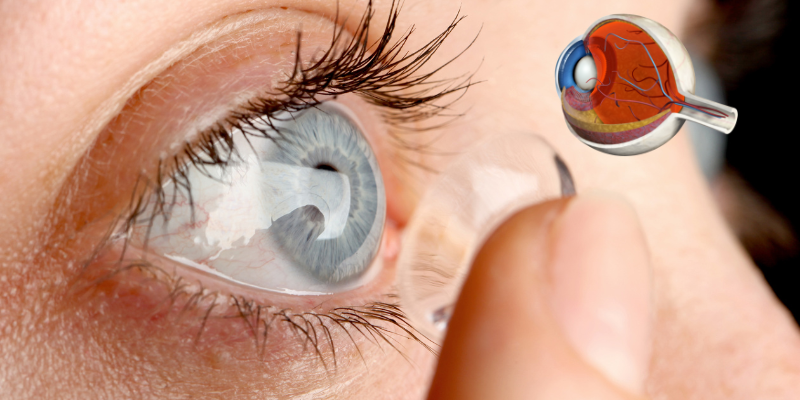
With global industries moving toward smarter, lighter, and more integrated wearables, the Rise of Smart Contact Lenses is viewed as a pivotal step in replacing bulky headsets and traditional screens. Smart lenses are designed to improve vision, enhance health monitoring, and support next-level digital interaction without requiring glasses, smartphones, or external devices.
What Makes Smart Contact Lenses Revolutionary?
Smart contact lenses combine multiple advanced technologies in a microscopic form. Their development showcases how far micro-AR displays, AI-driven sensors, biosignal tracking, and miniature wireless systems have advanced in recent years.
These lenses feature elements such as:
AI-Powered Biosensors
Embedded sensors monitor tear fluid, glucose levels, hydration, proteins, and intraocular pressure. This makes the lenses essential for early detection of diseases like diabetes, glaucoma, and dry eye syndrome.
Augmented Reality Projection
Smart lenses use tiny micro-LED displays to project digital information directly onto the retina. This allows real-time access to:
- Notifications
- Maps
- Fitness stats
- Medical alerts
- Environmental data
- On-eye AR experiences
All without looking at a phone or screen.
Wireless Energy Transfer
Advanced micro-batteries, inductive charging, and energy-harvesting technologies support continuous functionality without traditional cables.
High-Tech Materials
Smart lenses use flexible biocompatible materials that allow oxygen flow, comfort, and safe long-term use similar to traditional contact lenses.
The Rise of Smart Contact Lenses in Medical Technology
The Rise of Smart Contact Lenses is especially impactful in healthcare. Medical-grade smart lenses are transforming patient monitoring and diagnostics, offering real-time health data without blood tests or invasive procedures.
Revolutionary medical uses include:
1. Glucose Monitoring for Diabetic Patients
Smart lenses can track glucose levels in tear fluid and send instant alerts, helping millions of patients monitor their condition effortlessly.
2. Glaucoma Detection and Management
Sensors measure intraocular pressure throughout the day, detecting pressure spikes early and preventing vision loss.
3. Biomarker Tracking
Tear biomarkers provide early insights into infections, inflammation, and ocular surface diseases.
4. Drug Delivery Systems
Some smart lenses are being designed with micro-reservoirs that release medication at controlled intervals, eliminating the need for repeated eye drops.
These innovations highlight how the Rise of Smart Contact Lenses aligns with the global shift toward AI-based medical diagnostics and personalized healthcare.
Smart Contact Lenses and Augmented Reality: A New Digital World
Another major factor driving the Rise of Smart Contact Lenses is the revolution in augmented reality. Unlike AR glasses or VR headsets, smart lenses offer a discreet, hands-free, and screenless digital interface.
Potential AR features include:
- Live translation of text in your field of view
- Immersive gaming overlays
- Navigation guidance with arrows appearing on the road
- Facial recognition for security
- Real-time notifications
- Fitness tracking
- Educational overlays in classrooms or workplaces
The combination of AR with contact lens technology could eventually replace smartphones and screens, making smart lenses the central hub of personal digital ecosystems.
The Rise of Smart Contact Lenses in Consumer Technology
Consumers are increasingly attracted to lightweight, screenless technology. Smart lenses appeal to users who want advanced functionality without holding a device.
Key consumer benefits:
- Hands-free access to information
- Eye-controlled interfaces
- Enhanced privacy (only the user sees the information)
- Minimal design with no bulky equipment
- Faster access to notifications
- Improved daily productivity
As companies continue investing in smart wearables, the Rise of Smart Contact Lenses is expected to reshape industries like entertainment, gaming, fitness tracking, security, and communication.
Sustainability and Green Tech Integration
Smart contact lenses are also becoming part of the movement toward eco-friendly electronics. With lightweight designs, low-power chips, and recyclable components, the technology aligns with the broader push for Emerging Technologies in Green Tech.
This includes:
- Energy-efficient microcircuits
- Biomaterial-based lens polymers
- Recyclable electronic components
- Low-waste manufacturing processes
These innovations help reduce the environmental footprint of next-gen wearable technology.
Challenges in the Development of Smart Contact Lenses
Despite the promising Rise of Smart Contact Lenses, several challenges remain:
1. Power Efficiency
Ensuring all-day battery life in a device smaller than a grain of sand is a major engineering hurdle.
2. Display Visibility
Developing micro-AR displays that remain visible in bright sunlight or during rapid eye movement is complex.
3. Safety & Comfort
Materials must be ultra-soft, oxygen-permeable, and biocompatible for safe long-term wear.
4. Data Privacy
Real-time health data tracking must follow strict privacy and security standards.
5. Regulatory Approval
Smart lenses will undergo extensive medical testing before becoming widely available to the public.
Despite these challenges, progress is accelerating due to global investments and rapid tech innovation.
Future Outlook: What’s Next for Smart Contact Lenses?
The future of smart lenses is expected to include:
- High-resolution holographic AR displays
- AI-powered emotion and health recognition
- Eye-controlled digital assistants
- Ultra-fast wireless connectivity
- Advanced biometric authentication
- Continuous medical monitoring
- Sustainable and recyclable materials
As innovations multiply, the Rise of Smart Contact Lenses will redefine how people work, communicate, learn, and interact with the digital world.
Conclusion
The Rise of Smart Contact Lenses is a landmark moment in technological evolution. With advancements in AI, AR, biosensors, health monitoring, and sustainable materials, smart lenses are poised to become one of the most influential innovations of the next decade. This technology doesn’t just enhance vision; it reshapes the entire human-digital interface and brings the future of immersive, screenless computing closer than ever.




- Be Respectful
- Stay Relevant
- Stay Positive
- True Feedback
- Encourage Discussion
- Avoid Spamming
- No Fake News
- Don't Copy-Paste
- No Personal Attacks
- Be Respectful
- Stay Relevant
- Stay Positive
- True Feedback
- Encourage Discussion
- Avoid Spamming
- No Fake News
- Don't Copy-Paste
- No Personal Attacks
