Why Email Tracking Is a Privacy Risk in the Digital Age
Published: 06 Jan 2026
Email is still one of the most widely used communication tools in the world. Millions of people in the United States check their email multiple times a day for work, shopping, banking, and personal communication. However, what most users do not realize is that many emails secretly monitor their behavior. It has become a major privacy concern that affects everyday users, businesses, and even government communications.
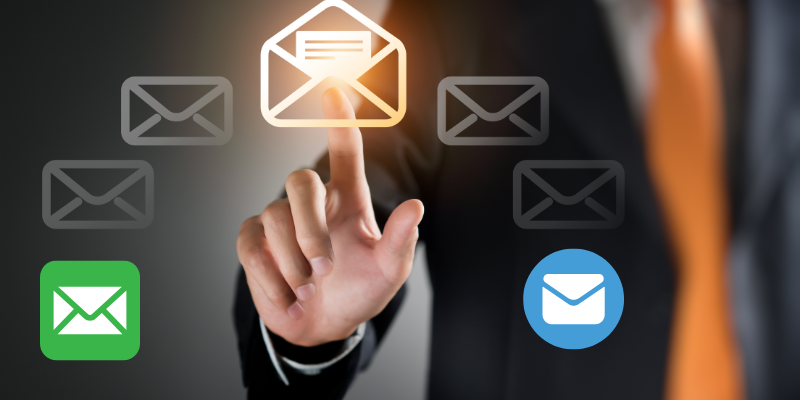
Understanding why email tracking is a privacy risk is essential in an era where personal data has become a valuable commodity.
What Exactly Is Email Tracking?
Email Tracking refers to technologies that allow the sender to monitor how recipients interact with an email. These tools can track:
- When an email is opened
- How often it is opened
- The approximate location of the recipient
- The device and operating system used
- Whether links inside the email were clicked
Most tracking is done using invisible tracking pixels or external content that loads automatically when you open the email. Because these trackers operate silently, users rarely know when they are being monitored.
How Email Tracking Works Behind the Scenes
When you open an email, your email app or browser requests images and external files from a remote server. A tracking pixel is usually a tiny, transparent image embedded in the message. Once loaded, it sends information back to the sender, confirming that the email has been opened.
Advanced Email Tracking systems combine this data with IP addresses, timestamps, and device details to build a profile of your email behavior. Over time, this creates a detailed picture of your habits, preferences, and routines.
Why Email Tracking Is a Major Privacy Risk
1. Lack of User Consent
One of the biggest problems with Email Tracking is that it often happens without clear consent. Many users never agree to be tracked, yet their behavior is monitored anyway. This lack of transparency makes email tracking ethically questionable and legally controversial in many regions.
2. Exposure of Location and Identity
Every time a tracking pixel loads, it can reveal your IP address. This information can be used to determine your city, region, and sometimes even your workplace. When combined with device data, this can expose sensitive personal information.
3. Increased Risk of Phishing and Cybercrime
Cybercriminal frequently use email tracking to improve the success of phishing attacks. By knowing when you open emails, attackers can send follow-ups at the perfect moment. This is why understanding How to Protect Your Phone from Hackers is closely connected to email privacy.
4. Behavioral Profiling and Surveillance
Email Tracking allows companies to analyze your reading habits, response times, and engagement patterns. Over time, this data can be sold or shared with advertisers, data brokers, or third parties, creating long-term privacy risks.
5. Manipulative Marketing Practices
Knowing exactly when a user opens an email gives marketers psychological advantages. Timed reminders, urgency-based messages, and repeated follow-ups can influence decision-making in subtle but powerful ways.
Email Tracking and Mobile Phone Risks
Most people today read emails on their smartphones. This makes email tracking even more dangerous. When combined with mobile permissions, WiFi connections, and app data, email tracking can contribute to broader security vulnerabilities.
Learning How to Protect Your Phone from Hackers becomes essential because compromised phones can expose email accounts, contacts, and sensitive personal information.
How Email Tracking Impacts Businesses and Employees
Email tracking is not only a personal privacy issue. In workplaces, it can lead to excessive monitoring of employees, creating trust and ethical concerns. Employers may track when emails are read, how quickly employees respond, and even where they are located.
This level of monitoring raises serious questions about digital privacy and workplace surveillance.
Common Types of Email Tracking Techniques
- Tracking pixels
- Tracked links with unique identifiers
- Read receipt tools
- Embedded scripts
- Email analytics software
These techniques are widely used in marketing campaigns, newsletters, and customer communication.
How to Tell If an Email Is Tracking You
While trackers are hidden, some warning signs include:
- Emails that trigger instant follow-ups after opening
- Marketing emails with unusually precise timing
- Messages that request confirmation of reading
- Emails that require images or external content to load
These signs often indicate Email Tracking is in use.
How to Reduce Email Tracking and Protect Your Privacy
Disable Automatic Image Loading
Most tracking pixels rely on image loading. Disabling automatic images can block a large percentage of trackers instantly.
Use Privacy-Focused Email Services
Some email providers block tracking pixels and external scripts by default, offering better protection against surveillance.
Avoid Clicking Suspicious Links
Tracked links can reveal your identity and device details. Always verify senders before clicking.
Strengthen Device Security
Email privacy is directly linked to device security. Updating your phone, using strong passwords, and learning How to Protect Your Phone from Hackers can prevent broader data breaches.
Why Email Tracking Is Increasing in the United States
In the US, email marketing plays a major role in digital business. Companies rely heavily on engagement data to optimize campaigns and maximize profits. As competition increases, Email Tracking has become more aggressive and widespread.
This growing trend has also increased public concern, making email privacy a high-search topic across the country.
Legal and Ethical Concerns Around Email Tracking
Although some regulations address data privacy, enforcement is inconsistent. Many users are unaware of their rights or how their data is being collected. This gap between technology and regulation allows email tracking to continue largely unchecked.
The Future of Email Privacy
As awareness grows, email providers are slowly introducing stronger privacy protections. However, users must still take responsibility for protecting their data. Email Tracking is unlikely to disappear anytime soon, making education and awareness critical.
Final Thoughts
Email Tracking is more than just a marketing tool. It is a powerful surveillance mechanism that affects privacy, security, and personal freedom. From exposing your location to enabling targeted cyber attacks, the risks are real and growing.
By understanding how email tracking works, limiting its impact, and learning How to Protect Your Phone from Hackers, you can regain control over your digital life and reduce unwanted monitoring
Email tracking uses invisible pixels or tracked links inside emails to monitor when you open a message, how often you open it, and what device you are using. This information is sent back to the sender without clearly notifying the recipient.
Email tracking collects personal data such as location, IP address, and behavior patterns without proper consent. Over time, this data can be used for profiling, targeted scams, or shared with third parties, increasing privacy and security risks.
Yes, email tracking can reveal your approximate location by collecting your IP address when you open an email. This allows senders to know your city or region, which can be risky if the data is misused.
Email tracking is legal in many cases, but it exists in a gray area of privacy law. While companies often justify it for analytics, many users are unaware their data is being collected, raising ethical and privacy concerns.
You can reduce email tracking by disabling automatic image loading, avoiding clicking unknown links, and using privacy-focused email services. These steps block most tracking pixels and external trackers.
Yes, when combined with mobile data, WiFi connections, and app permissions, email tracking can increase your vulnerability. This is why learning How to Protect Your Phone from Hackers is important for overall digital safety.
Marketing and promotional emails are the most common sources of email tracking. These emails use tracking data to measure engagement and optimize campaigns, often without clearly informing users.
Cybercriminal can use email tracking to time phishing attacks more effectively. Knowing when you open emails helps attackers target you at moments when you are more likely to respond.


- Be Respectful
- Stay Relevant
- Stay Positive
- True Feedback
- Encourage Discussion
- Avoid Spamming
- No Fake News
- Don't Copy-Paste
- No Personal Attacks
- Be Respectful
- Stay Relevant
- Stay Positive
- True Feedback
- Encourage Discussion
- Avoid Spamming
- No Fake News
- Don't Copy-Paste
- No Personal Attacks
